02/13/2026
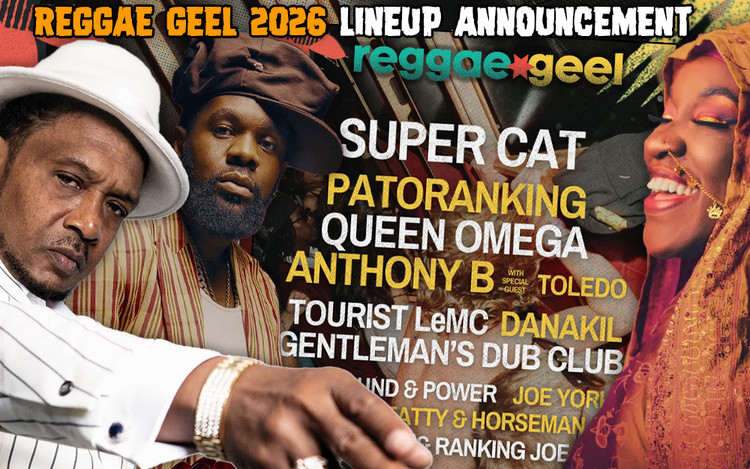
Super Cat Headlines Reggae Geel 2026


08/31/2025 by Munchy
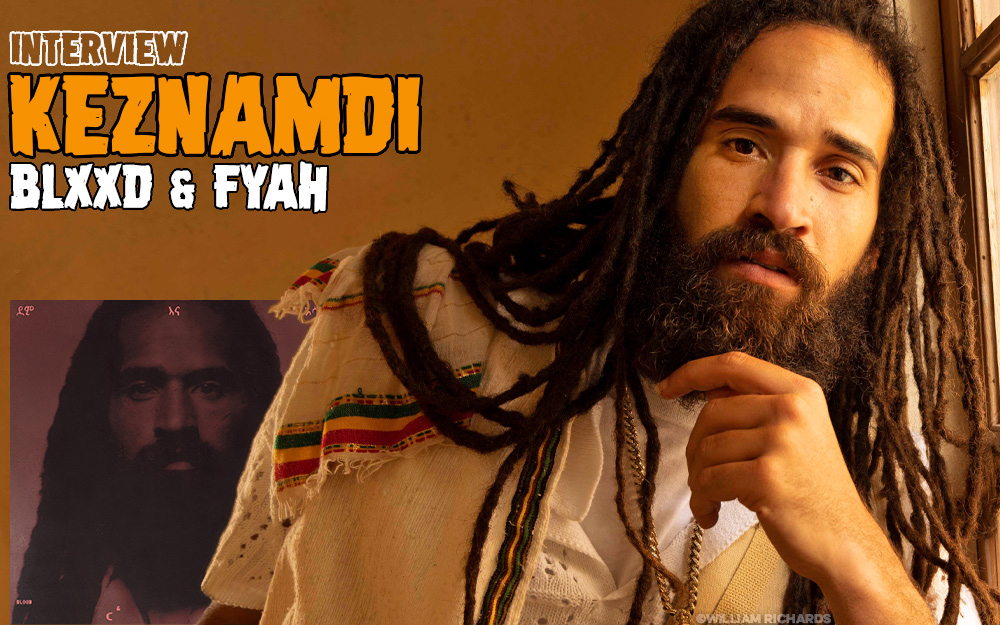
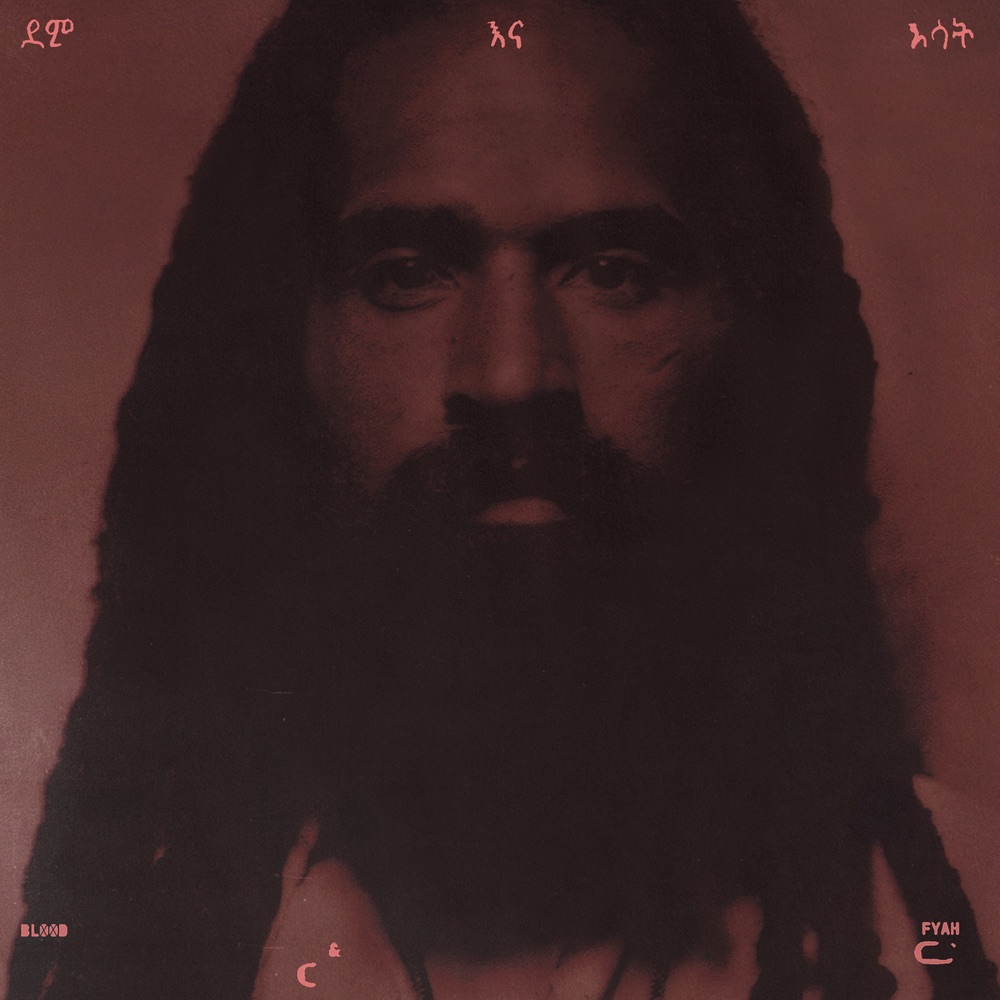
With Blxxd & Fyah, Keznamdi unveils his sophomore album, the powerful successor to his critically acclaimed debut Bloodline. Across 13 tracks, he delivers a masterful blend of classic reggae infused with a modern, contemporary sound – each song enriched with remarkably profound lyrics. Keznamdi doesn’t rely on clichés; he has stories to tell – about history, politics, society, and his own personal reflections and emotions. In this interview as well, Keznamdi offers deep insights into his upbringing in a spiritual Rastafari family, his creative process, and his most recent adventures in Ghana.
Blood really stands for the sacrifice that we put in, the work and the energy. Fyah represents the rebirth of something, the burning away of something, but also the fire that is needed to tackle the matrix that we’re in today and tackle all the injustices of today. And then it’s also a play on words between my first album, which was called Bloodline. It was a very special time in my life. It was the first time becoming a new father and, you know, that bloodline. We used that play and we released the album at a time when it was a blood moon. So, we just work with the play of things, for all the artists and the creatives who like these storylines. But Blxxd & Fyah really represent the journey of becoming a man, a human being, and being a humanitarian to making sure that we’re using our art to contribute to the progression of humanity.
Me and Kelissa we have a lot of ideas together. I Am was actually a song that we recorded in our little bedroom at the time, like seven years ago. It was very spiritual, but I don’t feel like at that time I was ready to tackle that concept. The concept was there and the chanting and the lyrics, but I feel like I had to live a little more life and gain a little bit more wisdom to tackle such a heavy topic. And then Kelissa is definitely – maybe I’m biased – one of my favourite artists from Jamaica. She doesn’t have a big catalogue released but because I am her brother, I get to hear a lot of the stuff that is unreleased. She’s a very special human being when it comes on to music. So, I think it was set to really begin the journey on the project with Kelissa and her angelic voice.
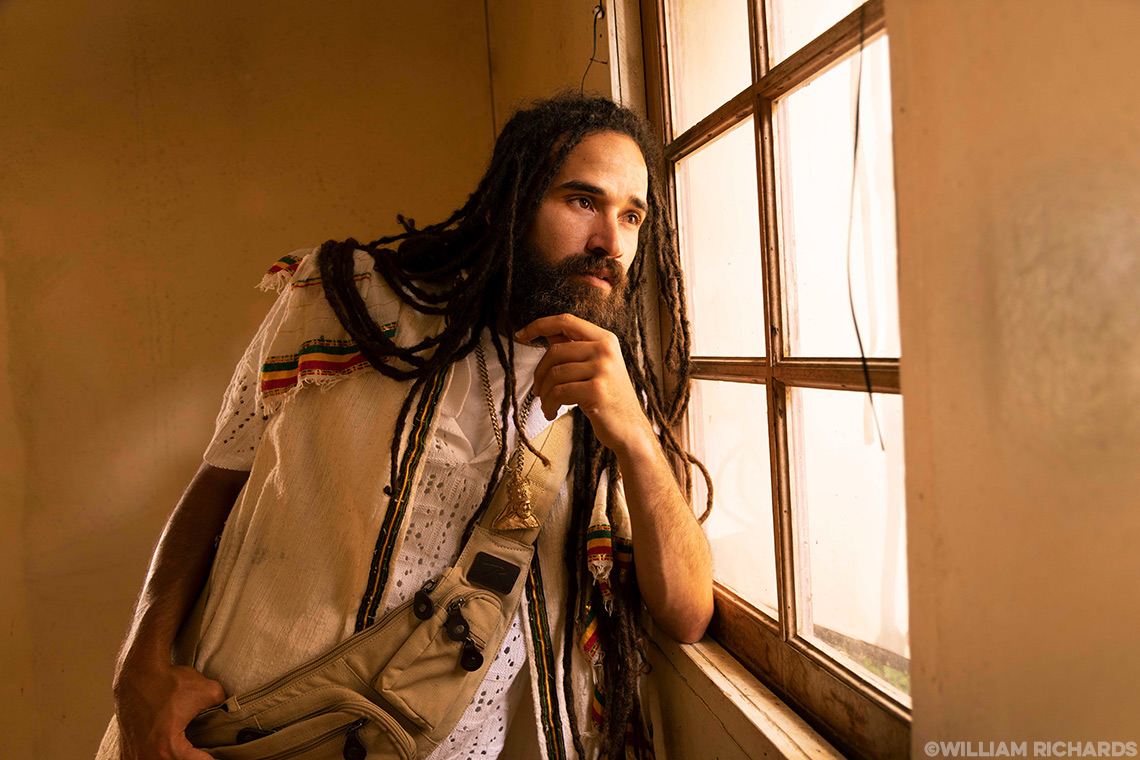
It wasn’t just this one specific inspiration. At that time, I was going through a very spiritual time and spiritual awakening in my life. I wasn’t smoking, I wasn’t drinking, I was on a different heights when I was making that song. At first it was just a chant, it had no meaning. We were trying to find and put words to the chant but then, we said “We just create our own meaning with it”. It’s a chant and it’s a feeling and it’s very abstract. But it’s basically talking about trying to use music to define God, that big word that everybody uses, whether you are from Islam or a Christian or just a spiritual person. Even if you are an atheist, you can’t deny that there is some kind of energy or force that exists that binds humanity and living things together, you know what I mean? And it’s really just capturing that omnipotent-ness of the word God.
Basically, my mom sent that speech in our family chat group, probably like a year ago or two. My mother always sends me these revolutionary activist kind of things in the group. I feel like Africa is in a very special place right now. It’s going through a huge transition. It’s the future and nobody can deny that. I, too, grew up in a third world situation and I feel like imperialism still lingers and is still very prevalent in our societies today. And it’s just sad to see such a massive and powerful continent to be under these strict contracts that have been signed years ago. It’s great to see the rise of Ibrahim Traoré, seeing what he’s doing on the African continent. The last leader that I see speaking so profoundly was probably His Majesty, when he was talking about the unity of Africa.
There’s no secret about it, there is no way forward. There is no way forward for Africa or even for Africans in the diaspora without the unity of the actual continent similar to the United States of America. We need the United States of Africa. Growing up in a Rastafarian household, Africa was a big topic all the time in conversations. And then, obviously, our family was able to manifest living on the continent for like ten years of my life. So, Africa holds a very special place for me.
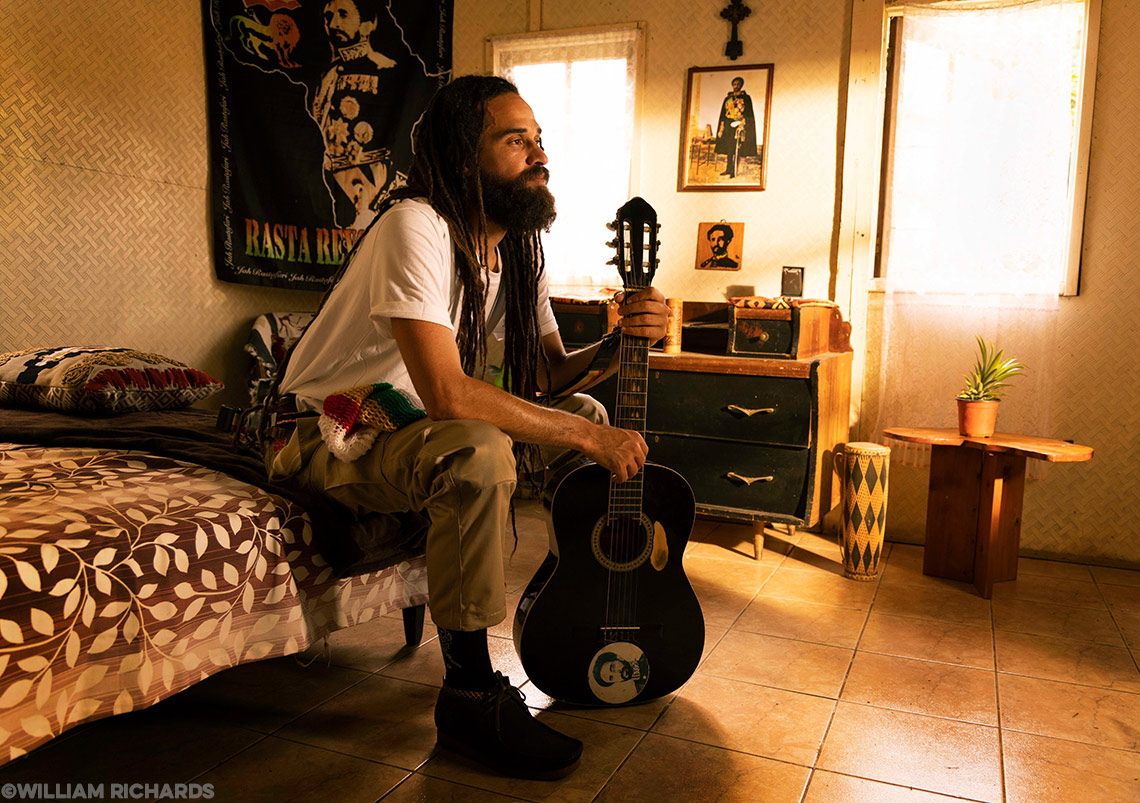
There’s a common theme in the album that weaves everything together, it is that third world struggle, that colonial bondage. It really struck me that in those days, even though we come from far, that leaders actually signed a contract that says, “We’ll let you free, but you would have to sign a contract that says you have to continue the imperialist way of living”. And so many countries signed this pact and it’s almost like a betrayal to me. I relate it back to me as an independent artist. When I get certain contracts that come my way from different labels, it’s very tempting because of everything that comes with it.
Automatically, you get like a hundred people servicing your music, a full distribution of your music, you get PR, you get an advance that looks very shiny, but in the long run, is it really beneficial for you as a musician and an artist? And it’s the same thing even with countries. You get all these grants from IMF, you get in their system and all these benefits, but in the long run, where are we a hundred years later? “Imperialism is a bad student”. that’s what Ibrahim Traoré said. I keep mentioning Ibrahim Traoré because he’s very inspirational right now for a lot of Africans in the diaspora and on the continent and what he’s doing to fight against imperialism. I wanted to do my contribution to the conversation of what’s happening and using art to bring forth that conversation.
It’s the same thing. The funny thing is that the Queen doesn’t really like to come to Jamaica. Because whenever she comes to Jamaica, the Rastas go to the King’s House and protest. Because it is, as you said, this romanticising this whole thing of royalty and stuff. Society today likes to numb things. It’s easier to not talk about it, it’s easier to just to put it under the carpet because it’s such a hard conversation to talk about. As I say in one of my lyrics “she dead off and she get ‘way with murder”, I feel like the Western powers need to hold a little bit more accountability for what they have done. And it’s this kind of fake accountability where they apologise but there’s nothing really there systematically to make the changes that need to happen for these countries whom they built their empires on to rise up and become an empire. There’s just too much separation going on on Earth because of these massive colonial powers that still have their foot in African necks and Caribbean necks.
I saw something that came up on my feed the other day saying that Nigeria paid back all of the debts that they had to the IMF. I didn’t even know that this is possible because of these contracts that they have, how they just make sure that you’re in debt… That’s commendable! It’s just showing you that Africa is waking up and it is the future. There’s no going on around that. The youths and the leaders are waking up. Some leaders are sitting down and saying “Yo we need to pay back IMF so we can start on a clean slate and start rising up our economy”. I’m not a politician so I don’t really know the depths of things but I’m a human being so I can feel things and I might not know it on an education level where I learned political science and all of these things, but I definitely know it from a human level, and I can feel things.
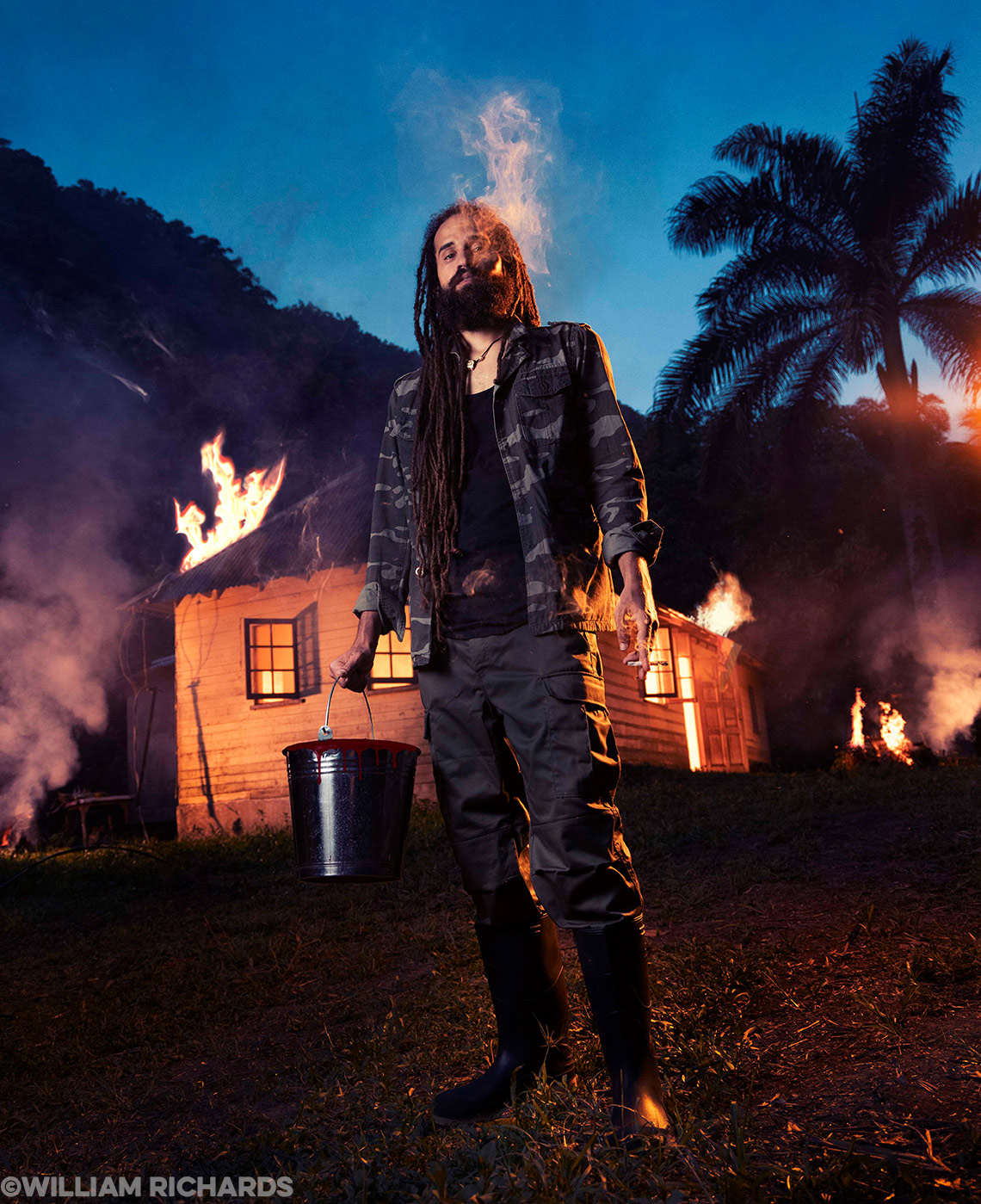
When it comes on to politics, the ball game is on a different level. Whether you want to justice me for saying this, but I feel like a lot of the leaders are playing in a ball game where they don’t realise how advanced it is. So, we end up taking these loans from IMF, we end up selling our land – but does this really help our country?!? Is this really beneficial to us as people?!? Or are we just going more and more in debt to these big colonial powers? Right now, there is a big conversation going on in Jamaica about the Bob Marley beach, which is a very important conversation. This is a place where a lot of the locals and a lot of families lived for generations. It’s one of the most beautiful beaches in Kingston. So, it’s a big attraction for these massive companies who want to build a big resort. But when you build those big resorts, the locals are not going to have access to the beaches. Jamaica is already in a bad situation when it comes on to that. The majority of the beaches, especially the best beaches, locals don’t have access to them. And you have to understand that it’s not like Jamaica has parks, football fields, and places where people can go to destress, like you have places in the US and Europe where a youth can just go to a gym, a push-up place… they don’t have that. What we have in Jamaica are the natural resources, which are rivers and beaches. When you close this off to the locals, the only place where they can get a little peace of mind… and now you’re gonna take this away? I get it on a business level, where tourism is our biggest export but there needs to be some kind of compromise. You can’t just come to Jamaica and buy a coastline.
Right now, there are miles of coastline selling in Jamaica. That should be illegal! To protect the longterm-ness of the vision. In one of the lines of the song I say “protect Rastafari as a culture”. People don’t come to Jamaica for beaches. If that was the case, they’d go to the Bahamas, they can go to Bermuda or other places that have prettier beaches. They come to Jamaica for three things: Rasta, reggae and ganja. Right? That’s why people come to Jamaica. That’s Jamaica’s fame. When you go to Jamaica now and you go to these resorts, they have all the Rasta slogans and all the things they commercialise hypocritically. But they have no system in place to treat Rastafari as a native, as an indigenous culture that we have to protect. It’s almost like something that they have to use because it brings in the tourists but that they don’t really want… up to this day, you can’t wear dreadlocks going to school. I remember in school, every September my mother would have to go to the Ministry of Education to defend my case of not cutting my hair, because I was going to a Catholic school. That is another example where I feel like we have to get out of this colonial mind as African people, as third world people.
The other day I saw the Prime Minister of Barbados has removed the Queen as their Head of State. In Jamaica we still have the Queen as the Head of State. That’s the mentality. We should depend on ourselves, like all other third world countries. When you hear me sing Colonial Bondage I sing it for Jamaica, but it’s for all third world countries. Every country has a natural resource. As a leader you just have to be creative, see what you can use it for to make a business, to make money come in. And then recycle it, in your country, rather than just selling it. We don’t even own our own bauxite. Jamaica exports one of the richest soils when it comes on to bauxite and we sell it away. If people don’t know, bauxite is what people use to make aluminium, to make spoons, forks… Jamaica never made a spoon or fork yet. How is that?!? Why don’t we have a factory where we make our own spoons saying “Made in Jamaica”? The first thing that Ibrahim Traoré did with the gold in Burkina Faso, he made a plant that now you can actually refine the gold in the country rather than sending it to France.
I’m not gonna say I know the answers, because I know that the ball game that these politicians are playing is a bigger ball game. But we have to get a little more creative, create new ideas. Jamaica has a history of a lot of ingenuity and forward thinking. We are talking about Paul Bogle, about Marcus Garvey who inspired a massive Pan-African movement across the entire world. You had Bob Marley who raised the consciousness through his music. These are the kind of people we have amongst our culture. Politically, I would love to see the same ingenuity, the same new ideas, the same creativity… but it seems like it’s just stagnant and the same old colonial mind.
My father.
First of all, my father was very upset that I recorded that extraction actually. It was a very small collective and a meeting happening up at Skyline Levels amongst like 15 or 20 of the Rastafari elders and leaders in Jamaica. But it was so profound that I had to take out my phone and just record it. That was just a little piece I catched, but what was being said was very profound. I think the main thing is that, as Rastafari, our biggest weakness is financial literacy. When you look at the example of the Jews, when they were crucified by Hitler and all of the injustices that happened towards them, they became very united. But one of the main things that they did to unite was bring in money and know economics. I feel like that is where we lack as a Rastafari movement in this jungle that we live in. When you go into the lions and the giraffes and the elephants and stuff, in their jungle, it’s all about strength and agility and speed and who is the toughest lion to beat, to go kill that and bring food. You know, our jungle is money. We choose to live here in Babylon. And in Babylon, to conquer Babylon, you have to have finances, your finances together as a people. So, I think the base that we need to start at, in my opinion, is figuring out that part, figuring out how to create a united front where we can bring in some funding and stop waiting on the government to give us things.
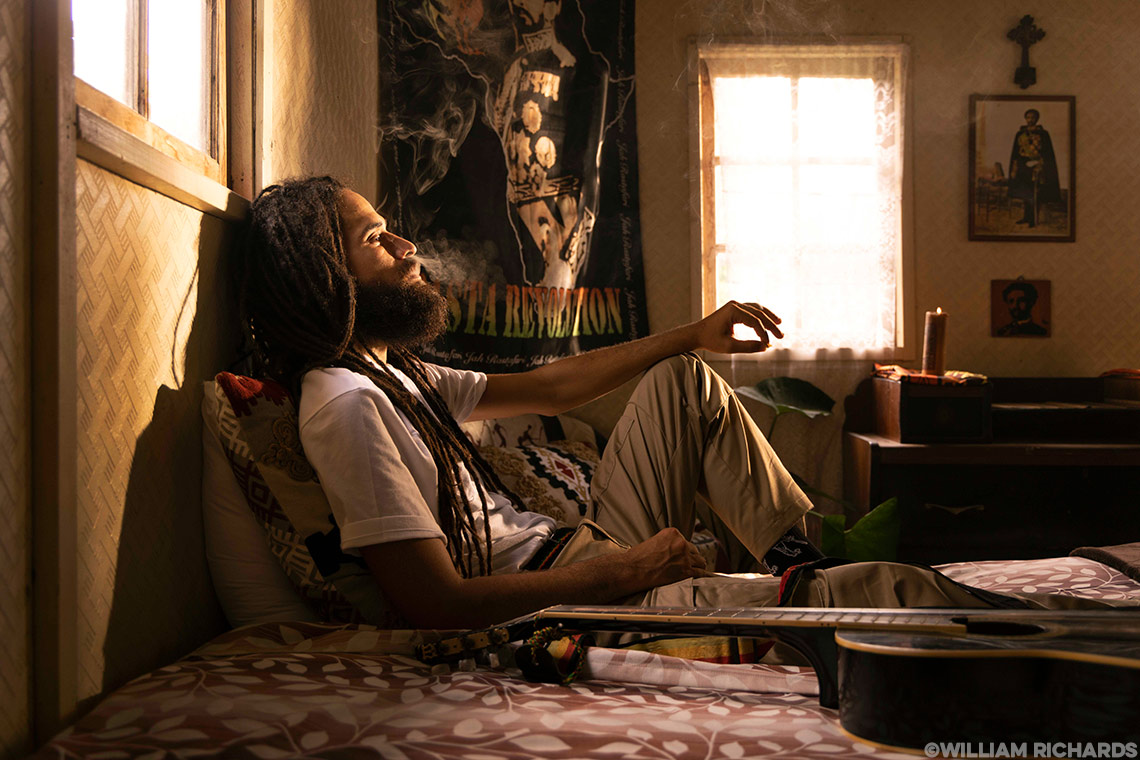
I think, growing up as youths, we were very privileged to have parents who have such a high conscious understanding of the universe. When I look at all my peers, it’s not until they were like 20 years old when they started to question themselves and do a search and just go a little bit deeper than what society feeds you. For me, it was the opposite. From when we were little, from birth, I was around my parents who are challenging the status quo, living in a time where you can’t watch too much TV, you can’t eat certain foods. You know how attractive these foods look to you when you’re out there in the world as a youth, and you see your peers eating pizza and chicken and all of those things, and they look nice and it smells good and everything, but, you know, your parents grow you up to hold your discipline and hold your order. Not everything that looks nice, might be good for you.
So, on a health and from a food perspective, that consciousness and understanding… when going to the groceries with my mom, we would spend hours there because she looked on all the ingredients “Make we see what these ingredients say? Alright, oh, you can’t have that”. And it’s the worst thing, you know? Growing up, my parents allowed us to eat chicken and fish. They didn’t eat chicken, but they allowed us to make our own decisions, but now, most of us now, we don’t eat that. We made that decision on our own. All of the things that we used to fight my mother for, we used to say “Please, Mama, we want this…” and she said “No, you can’t have that”. Now, it become instilling in me, where I’m doing the same thing for my kids.
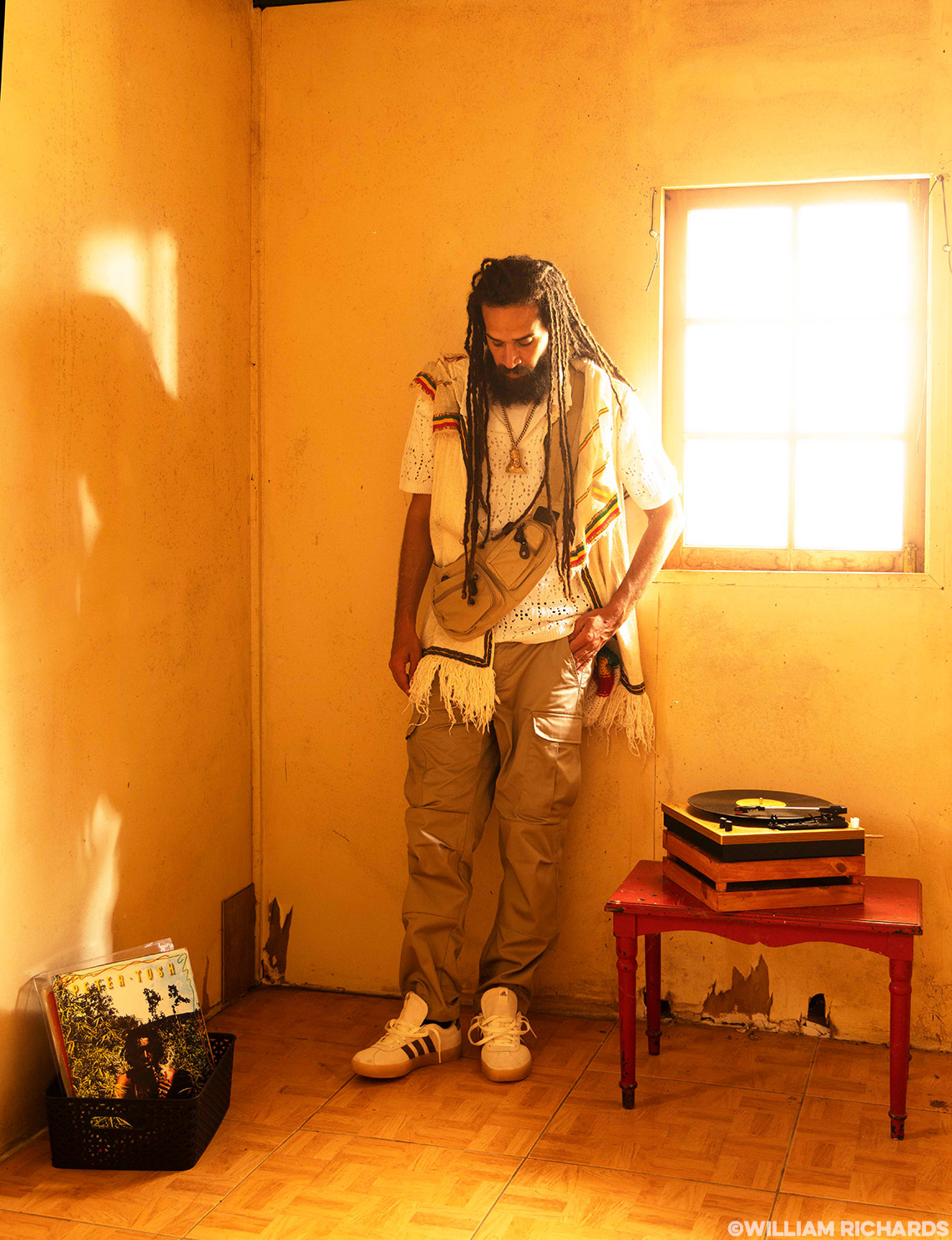
It was a very contained home, because not a lot of parents or kids were allowed to even come and play with us growing up, because at that time, it wasn’t like now, where Rasta is the trending topic, where most of my peers now have dreadlocks and you have hairdresser just for dreadlocks, you know? Back in the day, we used to get teased for dirty hair and parents wouldn’t want their kids to come over to our house, because your parents are using drugs, because marijuana was considered drugs at that time. It’s not like now where it’s this medicinal thing. As a family, we became even closer because of that, because all we had was each other.
Growing up, I played with my little sisters, because that’s all we had. People never really wanted to come, do no sleep over at our yard, because those are monsters. How my father looked, he looked like a Taliban with his black beard and dreadful dreadlocks, serious and a big spliff in his mouth, saying “Jah, Rastafari!”, make them quiver and shiver. So, yeah, my parents, we give thanks for that upbringing.
That record was actually presented to me by VAS Productions. Ricardo, who is the owner of VAS and me are good friends. He’s the one who produced Masicka Who Fi Stop We and all of this stuff. He has a lot of records, a lot of massive hits out there. We always talked about doing a record together. Him and Major Seven sent me this song and it was [sings] “High grade from West, strictly indoor, come and have a smoke”. It wasn’t really tailored yet, it was just a demo idea, but it was bad, bad, bad. I went to the studio and within two minutes I sent it back to him and then we all enjoyed it.
They were already in contact with Mavado to get him on it. It was a long process. This record is two to three years old, and I think we went to Miami twice and I almost gave up and then last minute thing again, he said “Yo, we’re ready. Let’s do it”. We went back to Miami, we shot the video [watch it here], Mavado just gave us a real, real strength. I’ve worked with a lot of artists and he’s very humble. At first, I was reading it wrong, but when I met the person flesh to flesh, it was a very genuine youth, one of the most genuine artists I’ve met. He’s just a profound personality.
Marlon Asher is also signed to VAS. He came on the third verse and gave us a little bridge and just blessed the track. Marlon Asher has arguably one of the biggest marijuana songs so to have him on a song about marijuana was a great fit.
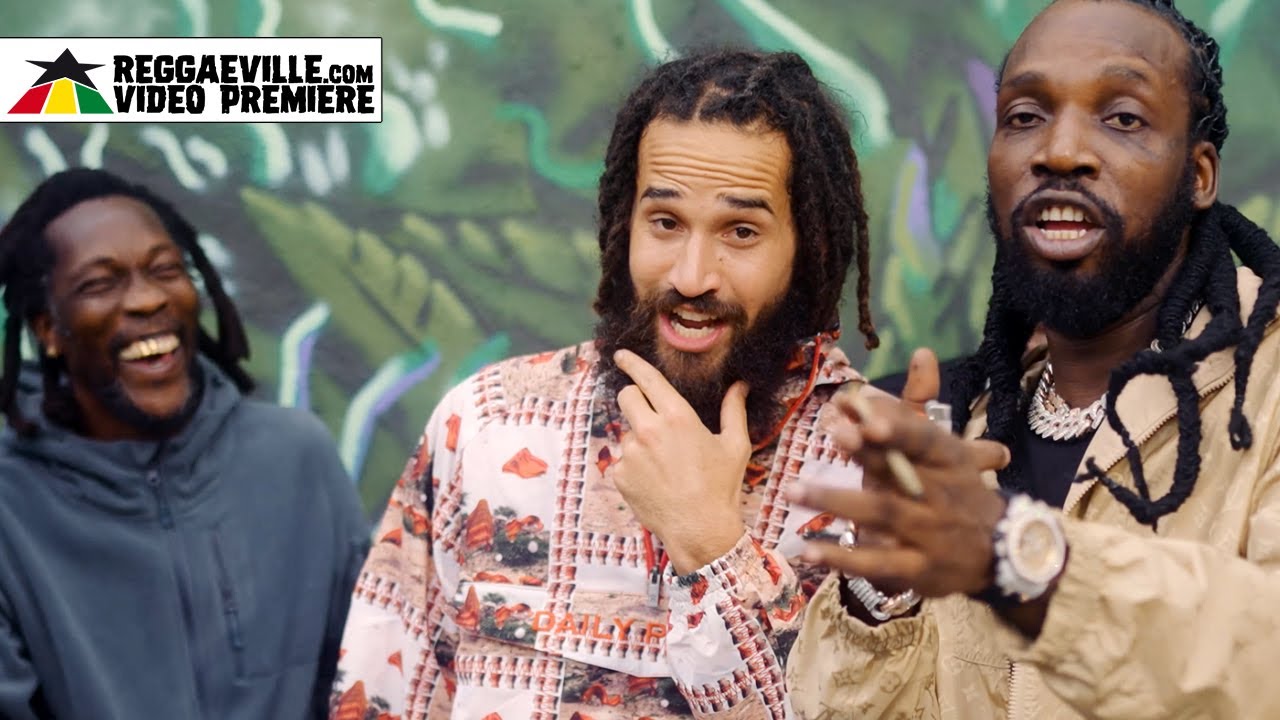
We have a little history, and we respect each other’s work. My first show in Jamaica was in this small little place called Village. At that time, Masicka had a song with Kabaka called Choppingz. I think Kabaka brought him along and we made the connection from there. He was trying to get me on his other album and just through time and thing, it never happened.
And then this one now… he was working with Don Corleon and VAS in Miami. I reached back out and he just said “Send the tune!”. He sent it just the next day! I was very excited because I just feel like Masicka is the voice of the streets right now. He tells real stories. It’s very inspiring for anybody who is trying to better themselves. Whether you come from the ghetto or uptown or wherever it is, his music is very motivational. You don’t see a lot of that represented in dancehall right now. I feel like dancehall uses more of shock value. They will show a girl skin out or drugs or guns... And for a little youth who is 16 years old, of course, that’s going to entice a youth and it’s more exciting for a youth to see. So, they use a lot of shock value to get views and fans.
However, I feel like Masicka is the opposite. He takes the slower route, not the so commercial route. He builds his catalogue and does the groundwork. As a musician and as an artist, I appreciate music like that because it’s not the easiest thing to do because it takes longer. Not going the hype route and just taking the true route of artistry and telling your story is very commendable. Masicka is definitely my favourite artist out of Jamaica right now, ever since, even from before him buss. You can check the DMs for history to proof how we show we love for one another.
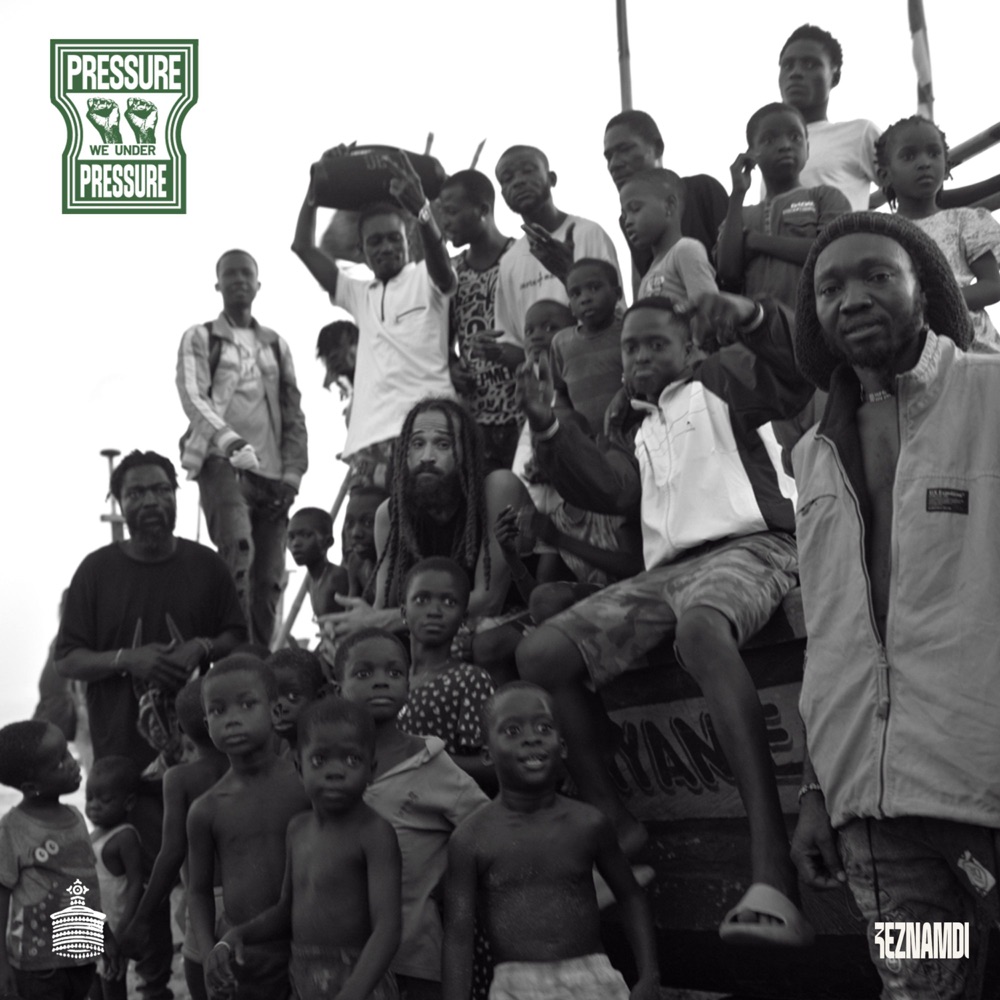
As I said, I spent a lot of time of my youth in Africa, but in Eastern Africa and a lot of Jamaicans’ ancestry comes from West Africa. In that whole time of living on the African continent, I never got a chance to connect with my roots in West Africa. It was only in Eastern Africa: Tanzania, Ethiopia, I’ve been to Egypt, South Africa, Kenya, all of these places, but I never got a chance to go to Ghana, Senegal, Togo, these places that are rich in culture and music. As an adult now, after recording the album, there’s a lot of tones and textures that feel very African. Records like Pressure, even Time, the guitar on Time is very African and West African.
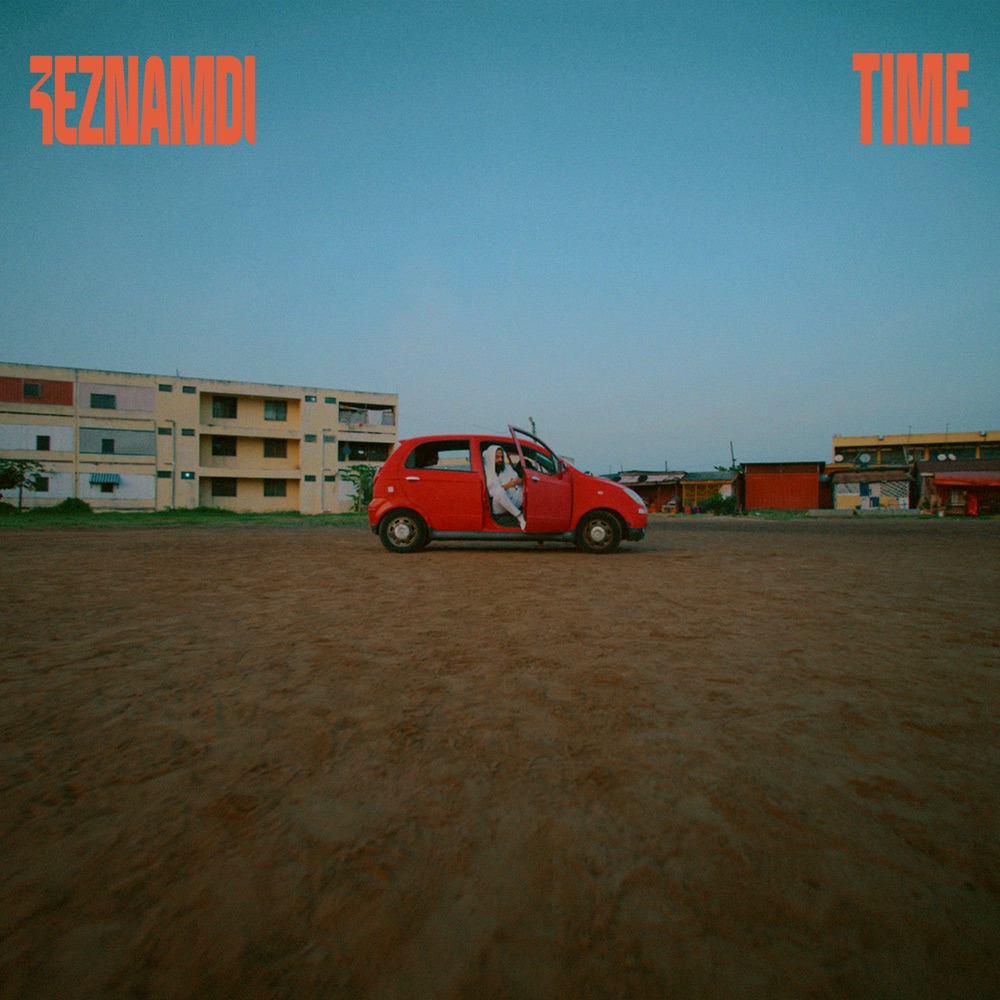
I Am with me and Kelissa is another very African feeling, Colonial Bondage, all of these records that just felt like Africa. So, visually I knew that I wanted to do something in Africa, but I didn’t know how it was going to get done, because it’s very expensive. I was working with a director called Nathaniel. He is a very talented youth in New York, doing a lot of big things for Converse, Adidas, Nike. He’s like one of the next up youths when it comes to directors. He was very instrumental in brainstorming with me and trying to figure it out. We were able to connect with a small, very talented film crew who had their cameras and heard the album and were very inspired and willing to jump up and go. We were talking about Ghana a couple of times, but it was just like a little fantasy thing.
Then one day we just took our credit card and booked everybody tickets. There were these cheap tickets that I found for a round trip, and I was just like “Yo, we have to grab this!” and we grabbed it. We never knew nobody on the ground, we never knew anything. We had these big cases of cameras and had so much trouble in the airport, all of this, anyway… We got to Ghana, and it was a profound moment, to connect in Ghana and see how these people love Jamaica, to see how these people love reggae music, hear the stories and to realise how untouched this continent is when it comes on to Reggae. It’s like the biggest music yet is the least interaction with it from our artists. So, I wanted to bridge that gap of the culture and connect with the people in person. Let’s go meet the DJs there! King Lagazee, big up anywhere you deh. He is a big radio personality in Ghana to millions of people and Blakk Rasta as well. These are people who love the culture and play only reggae music on their massive airwaves.
Especially for my generation, I wanted them to see that Kez is going to Africa and making that development and pushing that. That is one of the main reasons why I went to Africa, and it was crazy! We tweeted out and put on Instagram that we’re going to be in Ghana, “Pull up to this address!” and hundreds of people came! We also tweeted that we needed some bikers, and they came, man! Big up the god of bikes Meek Mills, Dream Chasers, big up the whole bike scene there. They showed us nuff support.
Funny enough, another story, while we’re on the continent, I think the government won some kind of seat and they called the radio station to play Victory. Then King Lagazee was like “Yo, you know that Keznamdi is actually here?!” So, while we’re shooting a video with a hundred bikes behind me, T is in the truck trying to get my attention because he’s like “The President of Ghana wants to meet you!” In just spending a week in Africa, we were at the President’s house meeting with him. He was telling us how he loved reggae music and how it’s a big part. We met the Minister of the Mining for Gold, the Vice President, all the dignitaries were there. It was really cool that we got a chance to have that experience for something that I just booked, a simple round trip, and it turned out to be this fruitful!
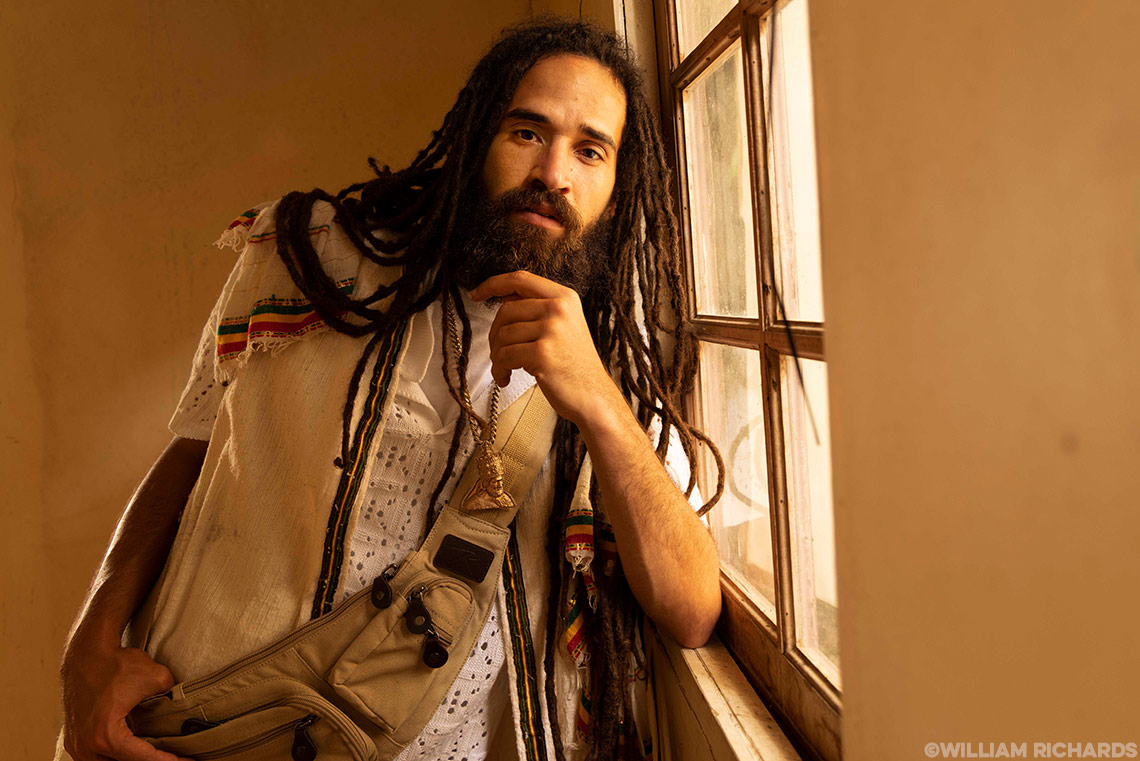
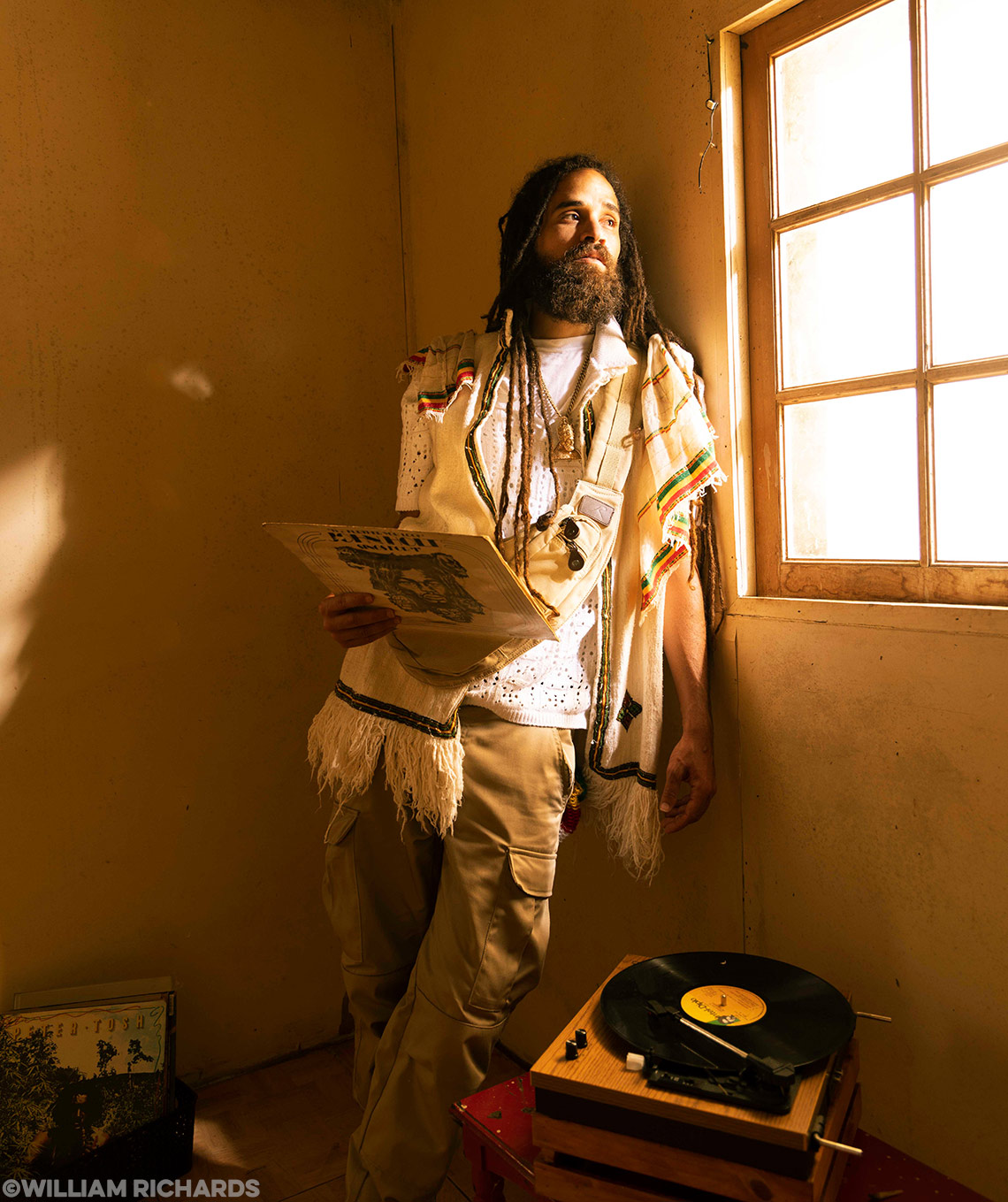
Primary Wave Music, the publisher actually reached out to me to do this song. They sent it and it wasn’t where it needed to be creatively. They were trying to get a remastered and reproduced version of Toots’ records because a lot of them weren’t recorded really well. They wanted to revisit his catalogue to do a tribute with young artists like me. They reached out to different people and that’s why they sent me this song. But it wasn’t what it is now. I produced this one. I really wanted to do it, so I took my musicians and we recorded it over properly, added the little modern twist. I sent it back to them a month later and they were really happy with it. So, they brought me on to produce the entire tribute. They flew me and the band over, we got all of Toots’ files – it was like a dream come true. I learnt so much in that process diving into Toots’ catalogue.
For a little while I had to become Toots because I was demoing all the songs also for the artists like Ziggy Marley, Gwen Stefani, Mick Jagger, all of Toots’ big friends. I loved the record and wanted to include it on my album. Big up to Primary Wave and Brandon, they allowed me to put it on my album. But also Toots, he’s the forefather of reggae music. He was one of the first people to take this culture and tour it all around the world. I felt like it was very necessary to celebrate this person’s catalogue and the best thing you can do for an artist is to cover their work. I wanted to do that for Toots and his contribution to music and our culture.
As the song says: I am grateful to be able to follow my dreams and pursue this music that is just a constant, daily voice to follow. I remember since I was 12, 13 years old music is all I wanted to do. I think my 16-year-old self would be proud of the body of work that I created. But more importantly, the confidence to believe in yourself because you’ll always have trials and tribulations as a human being. And the biggest priority: I have a beautiful family and that to me is one of my biggest achievements, to raise two healthy boys and have my woman and still manoeuvre in this industry. We give thanks to the Most High! The music takes me to some places and allows me to meet a lot of really cool people like yourself and have these conversations. I don’t know what I’d be doing without music… so we give thanks.
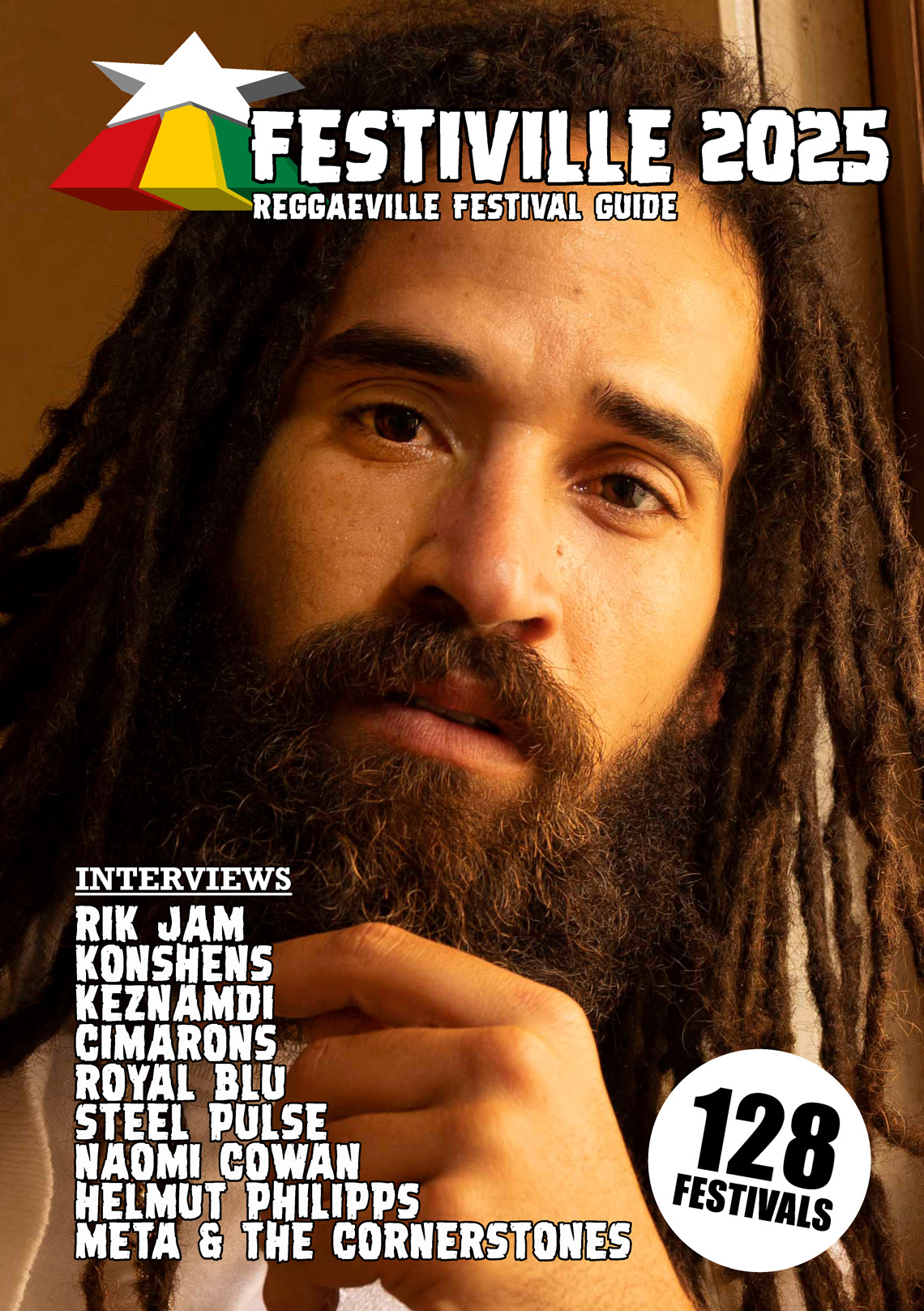
This interview first appeared in FESTIVILLE 2025 MAGAZINE in June 2025. Download PDF here!